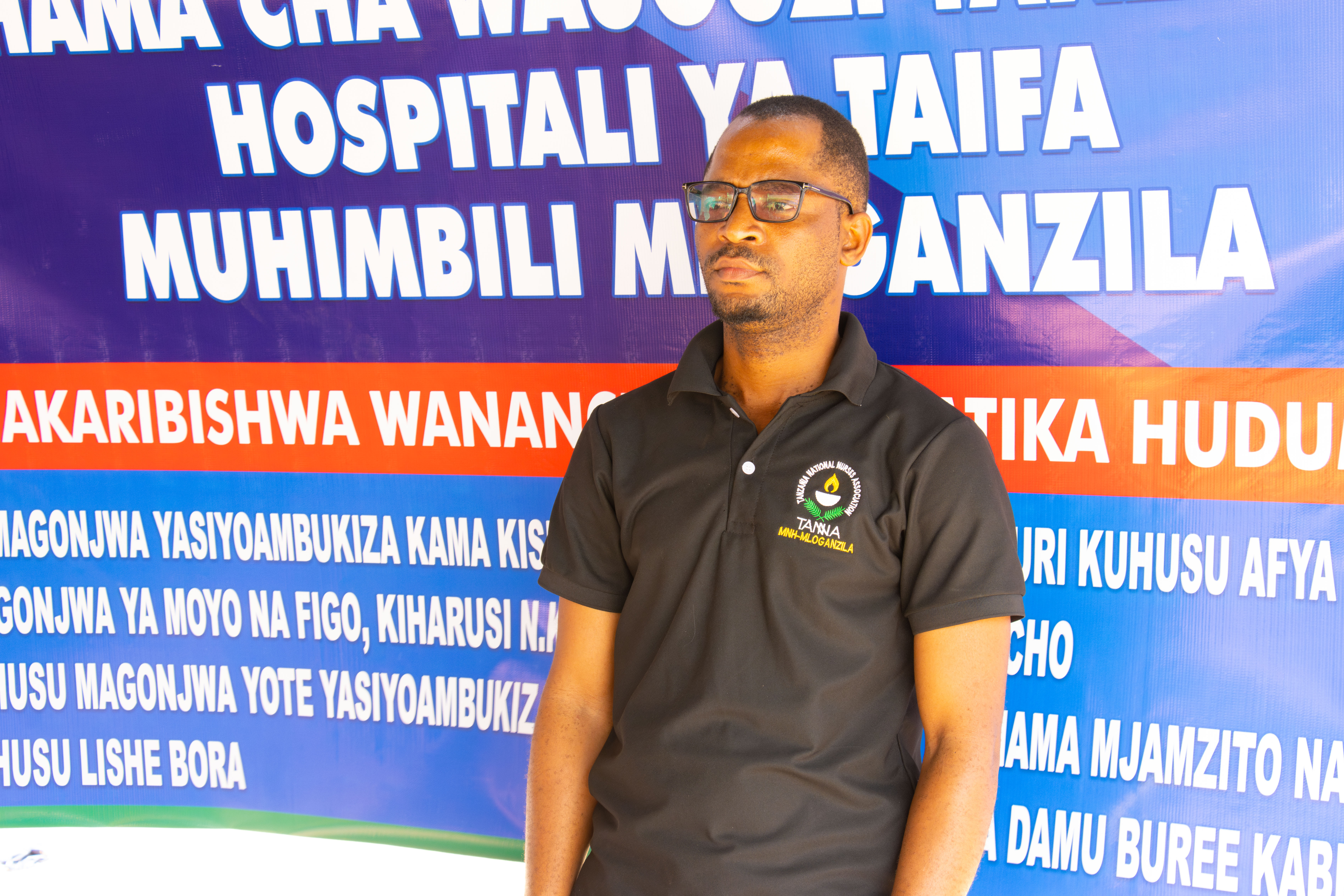
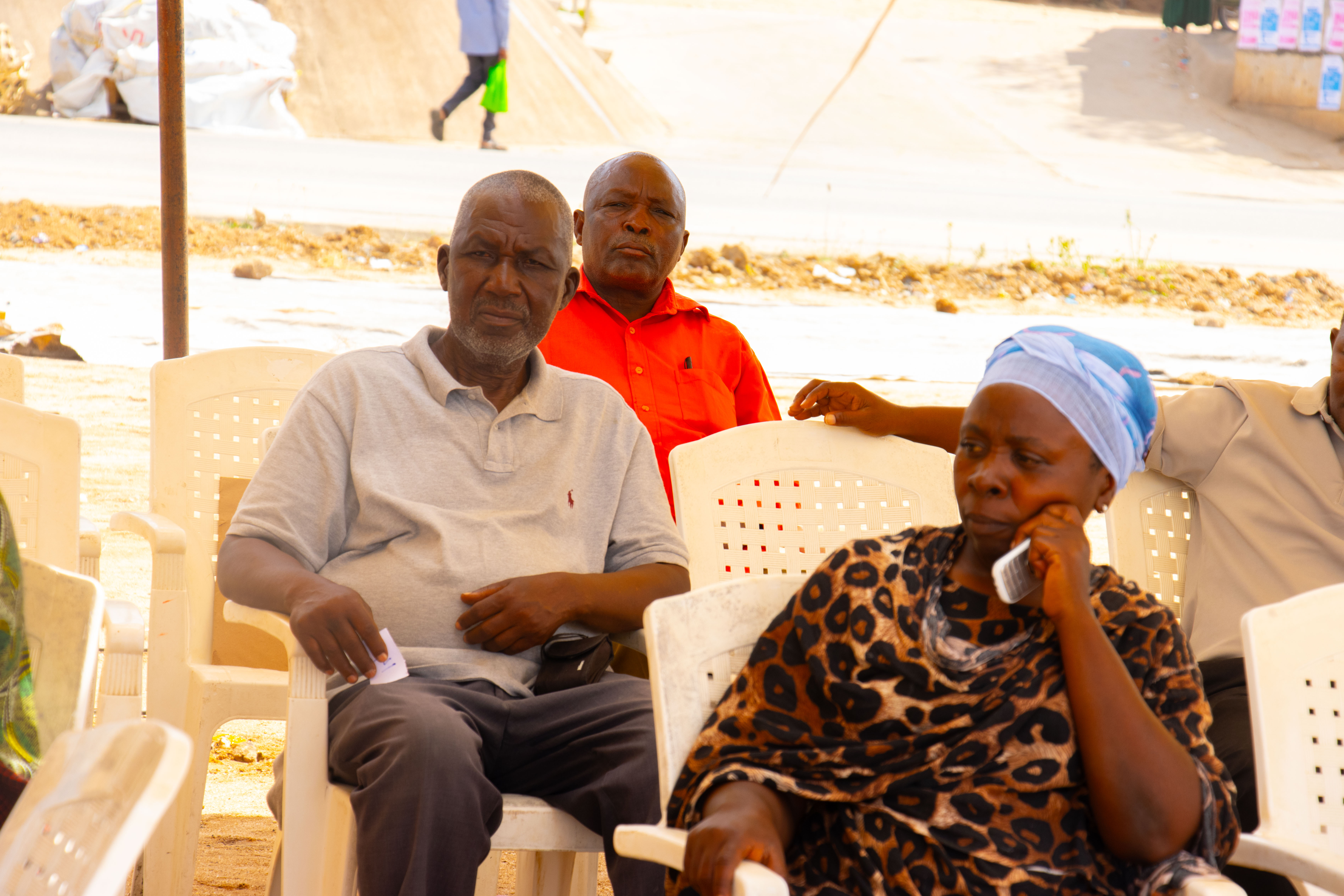
TANNA's Blood Donation Campaign represents one of our most impactful community health initiatives, directly saving lives through organized blood collection drives at Muhimbili National Hospital - Mloganzila. Since March 2024, our dedicated team has coordinated 12 successful blood donation campaigns, collecting over 150 units of blood and directly contributing to saving more than 50 lives.
This life-saving initiative emerged from the critical blood shortage challenges faced by our hospital, particularly in maternal health and emergency care situations. Through strategic community mobilization, professional nursing coordination, and partnerships with local organizations, we have created a sustainable blood donation program that ensures consistent blood supply for critical medical procedures.
Comprehensive blood donation program
Our campaign integrates community education, professional medical screening, and systematic follow-up to ensure safe and effective blood collection while building long-term donor relationships.
- Evidence-based screening protocols and health education delivered by qualified nursing professionals
- Bilingual materials and culturally sensitive engagement with community leaders
- Systematic referral pathways connecting identified cases to specialized care
- Continuous monitoring and outcome tracking throughout the program lifecycle
Community Partnerships
Ongoing relationships with local leaders, organizations and health facilities
Capacity Building
Skills development for TANNA nurses enabling sustainable program delivery
Systematic Follow-up
Structured care coordination ensuring continuity and measurable outcomes
Measurable Impact
Data-driven results tracked against clear indicators from program inception
Life-saving impact and outcomes
Our blood donation program has created measurable impact in emergency care, maternal health, and surgical procedures, directly contributing to improved patient outcomes and reduced mortality rates.
- Documented improvement in community health indicators and early detection rates
- Strengthened referral networks between community and hospital-level care
- Increased community trust in formal healthcare services and TANNA programs
- Replicable model now being considered for scale-up across similar communities