TANNA's Maternal Health Support Program represents a comprehensive approach to improving birth outcomes and reducing maternal mortality in the Mloganzila community. Through dedicated prenatal care, skilled birth attendance, and postpartum support, our team has successfully supported over 250 mothers, achieving a 95% safe delivery rate.
This life-saving initiative emerged from alarming maternal mortality rates in our region and the urgent need for specialized maternal care. Through evidence-based practices, skilled nursing interventions, and comprehensive family support systems, we have created a model of maternal healthcare that prioritizes both mother and child safety throughout the entire pregnancy journey.
Comprehensive maternal care program
Our maternal health program integrates prenatal care, skilled birth attendance, and postpartum support to provide comprehensive care that ensures the safety and wellbeing of both mothers and infants throughout the entire pregnancy journey.
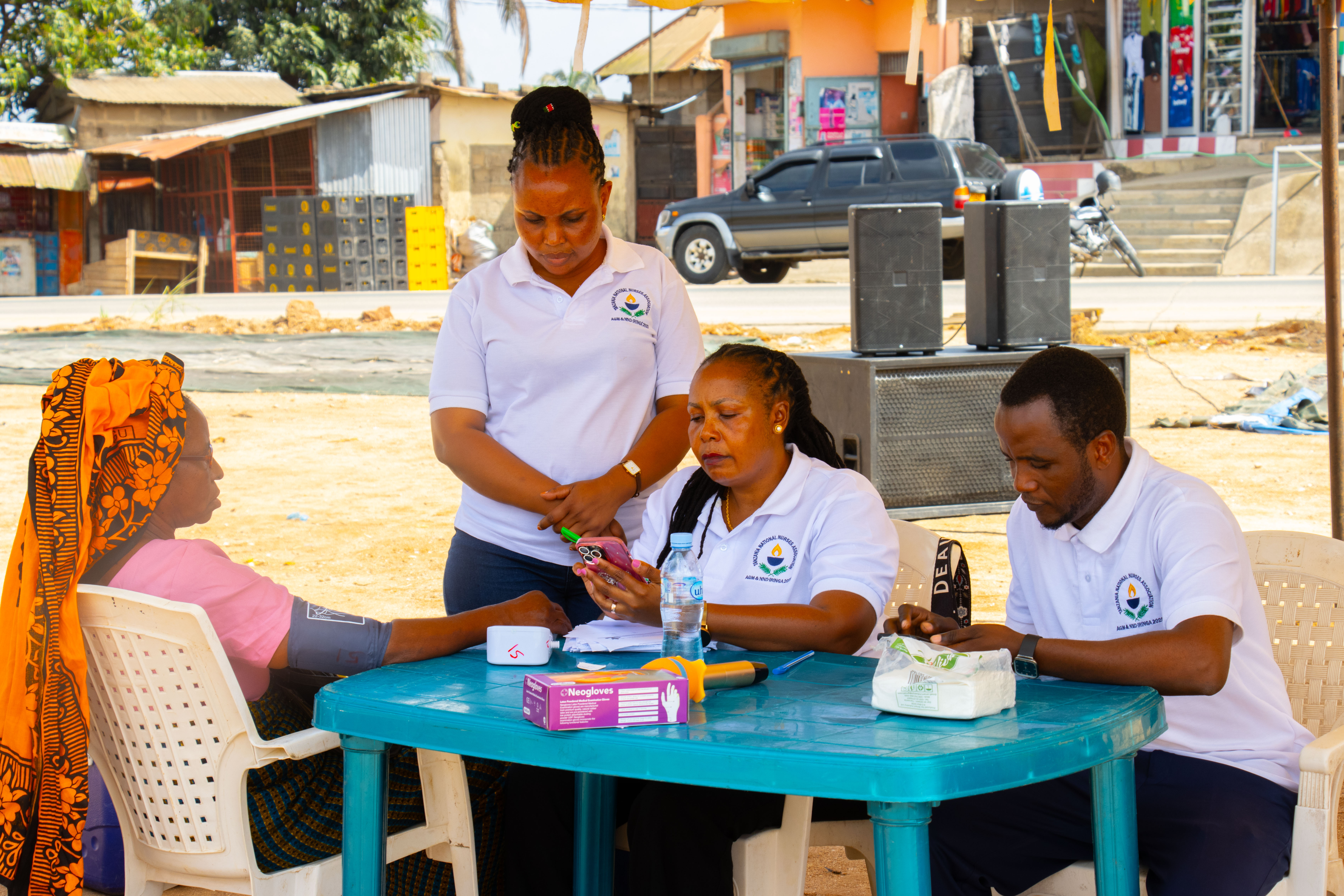
Comprehensive Health Screening Services
Blood pressure monitoring, diabetes testing, BMI assessments, and general health consultations provided by qualified nursing professionals.
- Early detection of hypertension in 35+ individuals
- Diabetes screening identifying 25+ at-risk cases
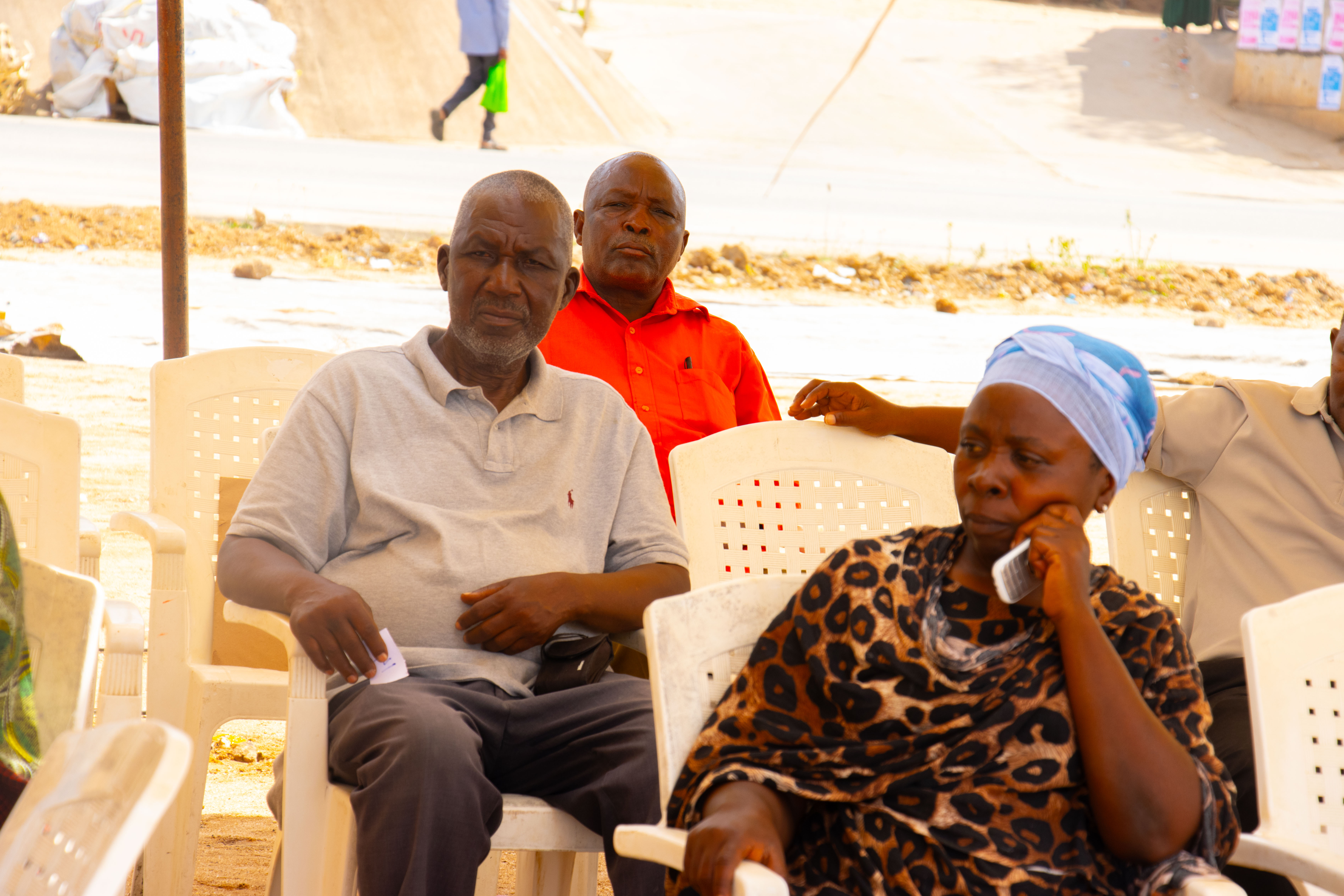
Community Health Education Programs
Targeted health education sessions on nutrition, disease prevention, mental health awareness, and healthy lifestyle practices for families and individuals.
- 300+ families received comprehensive health education
- Bilingual materials distributed in English and Swahili
Through this integrated approach, we not only identified health conditions early but also empowered community members with knowledge and resources to maintain their health independently. The program's success lies in its combination of professional medical screening with culturally appropriate health education that resonates with the local community.
Maternal and infant health outcomes
Our maternal health program has significantly reduced maternal and infant mortality rates, improved birth outcomes, and established a model of care that prioritizes family-centered support throughout the pregnancy journey.
Community Partnership Development
Established ongoing relationships with local community leaders, traditional healers, and religious organizations to ensure culturally sensitive healthcare delivery and sustained community engagement.
Professional Capacity Building
Enhanced skills of 25 TANNA nursing professionals in community health screening, health education delivery, and cross-cultural communication, creating a sustainable workforce for future programs.
Systematic Follow-up Care Coordination
Developed referral pathways connecting community members with specialized care at Muhimbili National Hospital - Mloganzila, ensuring continuity of care and improved health outcomes for identified cases.
Measurable program outcomes
250+
Mothers Supported
Key achievement in our comprehensive maternal care program
95
Safe Deliveries %
Key achievement in our comprehensive maternal care program
180+
Prenatal Visits
Key achievement in our comprehensive maternal care program
30+
Complications Prevented
Key achievement in our comprehensive maternal care program
Frequently asked questions about this program
TANNA conducted a comprehensive community needs assessment in collaboration with local leaders and health authorities. We identified underserved areas around Mloganzila with limited access to preventive healthcare services and high prevalence of non-communicable diseases.
All 25 nursing professionals involved were licensed registered nurses with additional training in community health, health education, and screening protocols. Many had specialized experience in non-communicable disease management and community outreach programs.
We established a systematic referral system with Muhimbili National Hospital - Mloganzila for individuals requiring specialized care. TANNA nurses provided follow-up consultations and health education, while maintaining detailed records to track health outcomes and program effectiveness.
We worked closely with traditional healers, religious leaders, and community elders to ensure our approach respected local customs and beliefs. All materials were provided in both English and Swahili, and our health education incorporated traditional health practices where appropriate.
TANNA has developed a replicable model that includes community assessment tools, training materials, and implementation guidelines. We offer technical assistance and training to other nursing associations and healthcare organizations interested in implementing similar community health screening programs.
